
What you should know about DRM
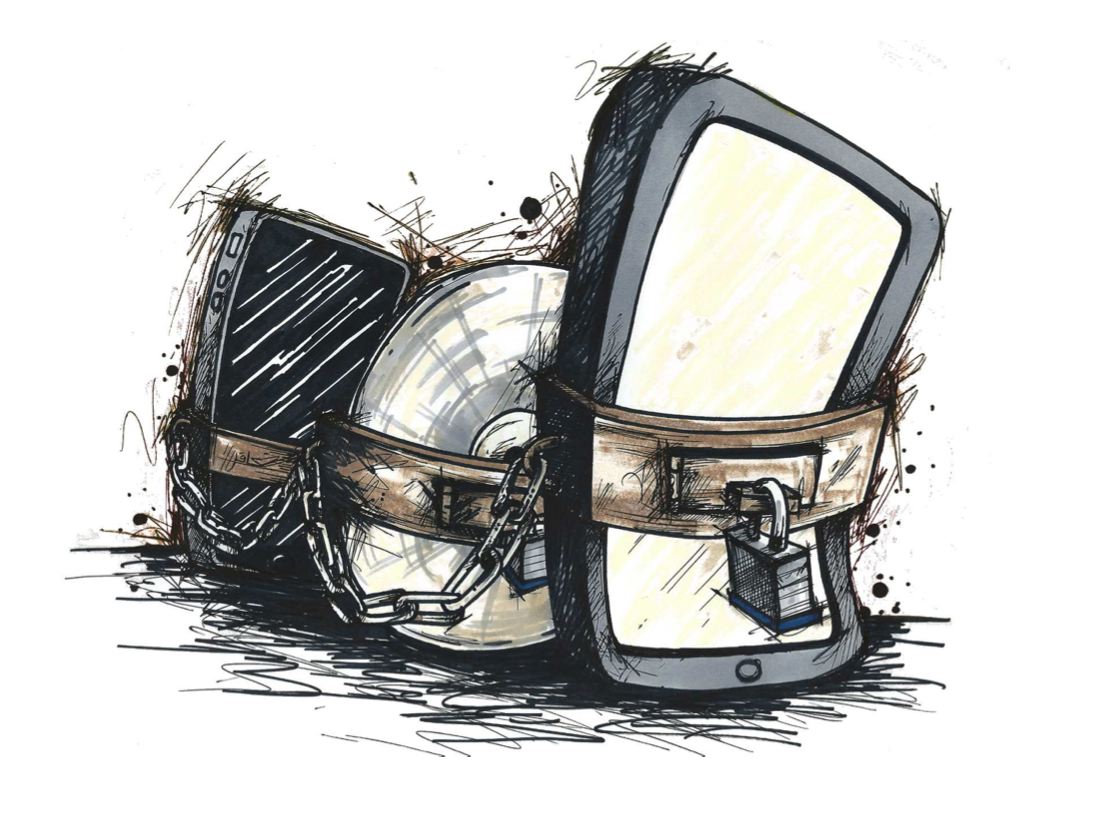 Digital Restrictions Management (DRM) is a technology that affects all users of computers, media players, mobile phones and other devices. DRM affects you. You may have seen it discussed as “Digital Rights Management” (DRM) or “Technological Protection Measures” (TPM). These terms suggest what DRM proponents believe to be the use and justification of Digital Restrictions Management, but hide what the technology must do to achieve this end: Imposing third-party restrictions on the users of a computer or other device, with or without the users consent. The Campaign DRM.info tries to show how DRM affects your life. It aims to boycott DRM-based devices and to protest against DRM initiatives.

 The
The  A leaked draft of the new Czech Copyright Act was obtained by Pirate News at the beginning of August 2010, after the Ministry of Culture has initially declined the request of Czech Pirate Party to have access to the document three days after the draft was sent out for feedback to organizations affected by the proposal. The draft presents a storm of “improvements” which grant millions of euro from public sector budgets to collecting societies.
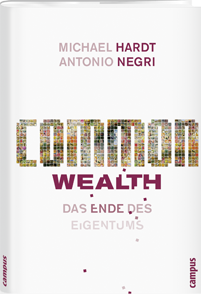 Commonwealth is the latest collaboration between Michael Hardt, a Duke University professor who specializes in Italian literature, and Toni Negri, an original member of the radical Autonomia group in Italy. Negri is the more colorful of the two, having at one time been accused of being the intellectual leader of the Red Brigades terrorists who in 1978 kidnapped and murdered former Italian Prime Minister Aldo Moro. Negri fled to France and lived in exile before returning to Italy in 1997 to serve out the remainder of a reduced prison sentence on a lesser charge.)Commonwealth concludes the trilogy that started with Empire (2000) and continued with Multitude: War and Democracy in the Age of Empire (2004), both also from Harvard University Press.
 The »Creative Industries« are considered key to the city development in the 21st Century. Cities such as Berlin put them at the center of image and location policy. The debates are mainly of benefit to the economy and capital development at the forefront – the changed living and working conditions of creative people are in contrast scarcely taken into view. They will be the topic of the congress. The digital revolution in production and distribution, the struggles for intellectual property and realization rights, more flexible corporate structures and labour relations, the project form of work and the privatization of cultural institutions have changed jobs and lifestyles as subjectivities. An unwieldy number of opportunities face enormous competition for jobs and contracts, increased chances of expression the pressure of conformity by the market, more self-determination the self-exploitation in informal and precarious employment relationships and with unfettered income at the same time.